

★★★★★
“I like knowing something is growing quietly beside me. Watching it take shape brings a little calm to my day.”
🌍Worldwide Shipping | 180-Day Money-Back Guarantee🌍
🌍Worldwide Shipping | 180-Day Money-Back Guarantee🌍
🌍Worldwide Shipping | 180-Day Money-Back Guarantee🌍
🌍Worldwide Shipping | 180-Day Money-Back Guarantee🌍
🌍Worldwide Shipping | 180-Day Money-Back Guarantee🌍
🌍Worldwide Shipping | 180-Day Money-Back Guarantee🌍
🌍Worldwide Shipping | 180-Day Money-Back Guarantee🌍
🌍Worldwide Shipping | 180-Day Money-Back Guarantee🌍
🌍Worldwide Shipping | 180-Day Money-Back Guarantee🌍
🌍Worldwide Shipping | 180-Day Money-Back Guarantee🌍
🌍Worldwide Shipping | 180-Day Money-Back Guarantee🌍
🌍Worldwide Shipping | 180-Day Money-Back Guarantee🌍
🌍Worldwide Shipping | 180-Day Money-Back Guarantee🌍
🌍Worldwide Shipping | 180-Day Money-Back Guarantee🌍
🌍Worldwide Shipping | 180-Day Money-Back Guarantee🌍
🌍Worldwide Shipping | 180-Day Money-Back Guarantee🌍
🔥Daily: The first 500 customers to place an order will receive a double order!
180-day money-back guarantee
A little growing ritual for your desk
Plant one seed-paper calendar card each day for 12 days. Discover 12 different flowers and herbs, and enjoy every step—from the first sprout to the bloom.
A little green moment, right at your desk.
“I like knowing something is growing quietly beside me. Watching it take shape brings a little calm to my day.”

“My desk feels completely different with this plant here. The whole space feels fresher and more alive.”

“Planting a different seed each day keeps it exciting. I love seeing twelve different little lives unfold.”


The plantable seed calendar
Watch every stage of growth, with 12 different plants by your side.
Choose your seed calendar set
A growing companion for your desk
Make room for a small daily ritual
Enjoy a new growing discovery
Plant a seed-paper calendar card
A little green for your everyday space
Discover a different variety as you grow
Follow each stage from seed to sprout
WHEN YOUR WORKDAY KEEPS YOU INDOORS
Long hours indoors, screen-heavy days, and no greenery nearby can make even an orderly workspace feel flat and disconnected from nature.

Without a plant or a touch of green, a neat desk can still feel cold and unfinished.
When most of the day is spent indoors, it can be hard to pause and reconnect with nature.
A screen-filled routine can feel repetitive when there is nothing living nearby to notice and care for.
THE GROWING SOLUTION
Plant a seed-paper calendar card and watch a new variety take root. With 12 different plants to discover, every card brings a fresh surprise to your desk.
Twelve varieties. Twelve little moments of growth to follow.

GROW THROUGH EVERY SEASON
From January to December, plant 12 seed-paper calendar cards and discover 12 different flowers and herbs. A thoughtful desk ritual that brings nature a little closer.


Discover a new flower or herb with each seed card.
Each calendar card is made to be planted in soil.
Make room for a small moment of nature in your day.
BOTANICAL COLLECTION
The seed calendar features four flowers, four fruit-bearing plants, and four culinary herbs. Each variety has its own growing habit, character, and place in the garden.
01 / FLOWERS
Four flower varieties, each with its own color, form, and story.
 01
FLOWER
Calendula officinalis
Compact, branching plants open daisy-like blooms in clear yellow, gold, and rich orange.
The petals carry a gentle herbal fragrance and a softly peppery flavor.
In European garden lore, these sun-shaped flowers have long been associated with joy and good cheer.
 02
FLOWER
Centaurea cyanus
Slender stems carry finely fringed blooms in vivid blue, with some varieties in pink or white.
Its airy form and clear color bring a fresh meadow character to gardens and bouquets.
In poetry and flower language, the blue cornflower is often used to express tenderness and hope.
 03
FLOWER
Zinnia elegans
Upright, branching stems produce layered flowers in pink, red, orange, yellow, and white.
The full blooms add lively color to summer gardens and cut-flower arrangements.
Victorian flower language linked zinnias with thoughts of absent friends and enduring affection.
 04
FLOWER
Echinacea purpurea
Sturdy stems hold pink-to-purple petals around a raised, spiky central cone.
The distinctive flower form brings strong shape and color to summer borders and arrangements.
Its name comes from Greek echinos, meaning “hedgehog,” and its unusual cone has come to suggest resilience.
02 / FRUIT-BEARING PLANTS
Four crops with different growing habits and flavors.
 05
FRUIT
Fragaria × ananassa
Low plants spread by runners and hold red berries close to their leaves.
Ripe fruit is fragrant and sweet, balanced by a bright, lightly tart edge.
The familiar large garden strawberry emerged in 18th-century France from North and South American species, and remains loved for its fresh flavor.
 06
FRUIT
Solanum lycopersicum
Bush or climbing vines carry clusters of fruit as the plants fill with leaves and flowers.
Depending on variety and ripeness, tomatoes taste sweet and juicy, tangy, or deeply savory.
Domesticated in the Americas and brought to Europe in the 16th century, tomatoes are now enjoyed in everything from salads to sauces.
 07
FRUIT
Cucumis sativus
Trailing or climbing vines produce crisp green cucumbers among broad, leafy growth.
Fresh cucumber tastes cool, mild, and lightly sweet, with a clean crunch.
Cultivated in India for at least 3,000 years, it remains a favorite in salads, pickles, and refreshing drinks.
 08
FRUIT
Cucurbita pepo
Long vines spread across the ground, with broad leaves around rounded pumpkins as they develop.
Depending on variety, pumpkin flesh ranges from gently earthy to sweet, smooth, and rich.
Domesticated in the Americas around 10,000 years ago, pumpkins remain a favorite for their flavor and many kitchen uses.
03 / HERBS
Four familiar herbs, each with its own leaf, aroma, and flavor.
 09
HERB
Ocimum basilicum
Basil grows in an upright, leafy form with broad, tender leaves.
Its sweet, clove-like aroma and fresh, peppery taste are familiar in pesto, salads, and tomato dishes.
With roots in Asia and centuries of cultivation around the Mediterranean, basil remains a favorite across many cuisines.
 10
HERB
Petroselinum crispum
Parsley forms a compact rosette of bright, finely divided leaves.
Its clean, grassy flavor and gentle peppery note freshen soups, salads, and sauces.
Cultivated around the Mediterranean since antiquity, parsley became a lasting staple in kitchens around the world.
 11
HERB
Mentha
Mint sends up textured green leaves from spreading stems, creating a full, leafy plant.
Crushed leaves release a cool, sweet aroma and a crisp, refreshing flavor.
Known in ancient kitchens and herb gardens, mint is still cherished in tea, desserts, and savory dishes.
 12
HERB
Origanum vulgare
Oregano grows as a compact, branching herb with small oval leaves.
Its leaves carry a fragrant, peppery aroma and a savory flavor that deepens when dried.
Long part of Mediterranean cooking, oregano continues to bring an earthy note to sauces, breads, and roasted vegetables.
A LITTLE MORE LIFE AT HOME
Plant a seed-paper calendar card together, then watch a new corner of your home come to life.
 BEFORE
A ROOM WITHOUT GREEN
A simple room offers a fresh place to begin.
 PLANT TOGETHER
A SHARED PLANTING RITUAL
Choose a calendar card, tuck it into soil, and enjoy each new stage of growth.
A small planting ritual, shared at home.
GROWING AT HOME · TESTED ACROSS THE U.S.
Plantable seed-paper cards for indoor growing, with varieties evaluated across diverse U.S. growing regions.

01 · INDOOR GROWING
A small pot, suitable light, and steady moisture give each seed a place to grow. No garden bed or seasonal outdoor setup is needed.

02 · SELECTION & BATCH TESTING
We evaluate seed varieties across growing regions throughout the United States. Batches are reviewed for consistent germination and healthy early growth before approval.
Non-GMO seeds. No synthetic fertilizers, chemical stimulants, or artificial additives.
PLANTABLE SEED PAPER · MADE SIMPLE
Each card combines plant-based nutrients with a straightforward routine—from planting to early growth.

BUILT INTO THE PAPER
The nutrients release when the card is planted, helping seeds get an even start and develop strong roots—without an extra step.
A SIMPLE ROUTINE
No measuring, planting-depth decisions, or separate fertilizer plan. Moisten the card, plant it, and keep the soil lightly moist.
HOW TO PLANT
Four quick steps from seed paper to sprout.

Tear a used calendar card into small pieces so the seeds can settle into the soil.

Soak the paper pieces in water before planting.

Place the damp paper beneath a thin layer of potting soil.

Keep the soil lightly moist and place the pot in a bright spot as seedlings emerge.
THOUGHTFUL SEED PAPER
Each of the 12 seed-paper cards holds a different variety. Plant one at a time, follow its growth, and save the remaining cards for later.
 12 MONTHS · 12 VARIETIES
EVEN SEED DISTRIBUTION
Seeds are distributed through each card to support even sprouting and make early growth easier to follow.
ONE CARD, ONE PLANTING
Plant one card per attempt. It’s easier to observe what’s growing and keep each planting simple.
MADE TO PLANT GRADUALLY
Seeds stay embedded in the paper. Keep unused cards together and plant them gradually over time.
HANDMADE · PLANTABLE SEED PAPER
Handmade with locally sourced recycled paper, each card holds seeds within its fibers. When you’re ready, plant a page and give it a new purpose.
A useful calendar today. A little growing moment tomorrow.

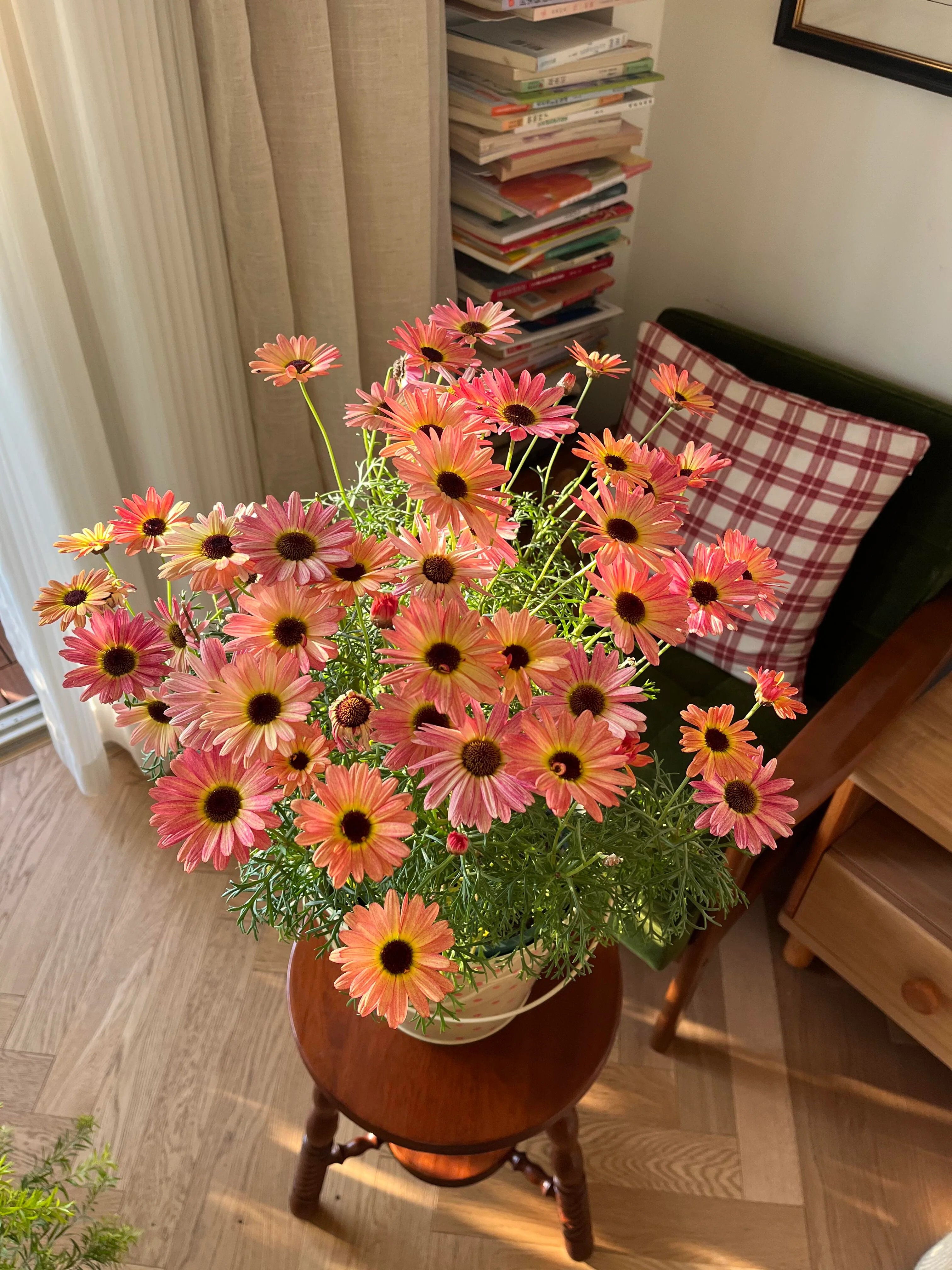
FLOWERS · CUSTOMER STORY
“I never imagined that a calendar could grow flowers! It’s truly amazing, and the kids absolutely love it!”
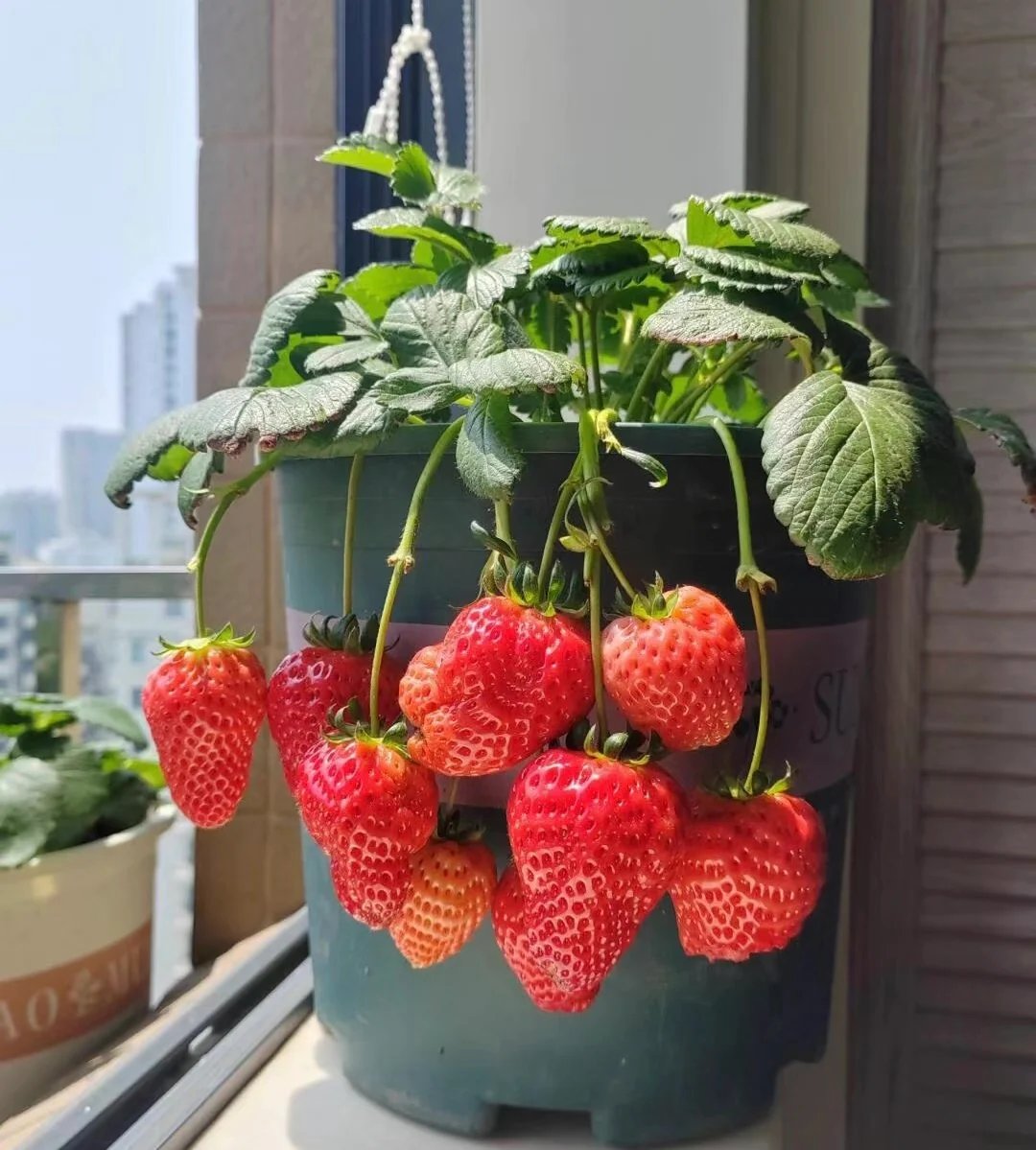
STRAWBERRIES · CUSTOMER STORY
“It’s both a decoration and a planting experience. Every month brings a new surprise!”
A GIFT THAT KEEPS GROWING
Display the calendar, plant each card, and enjoy the small surprises that follow.
Turn a calendar card into a simple planting moment, then watch the seeds begin to grow.
With 12 botanical designs, it’s a calendar to enjoy now and plant one card at a time.
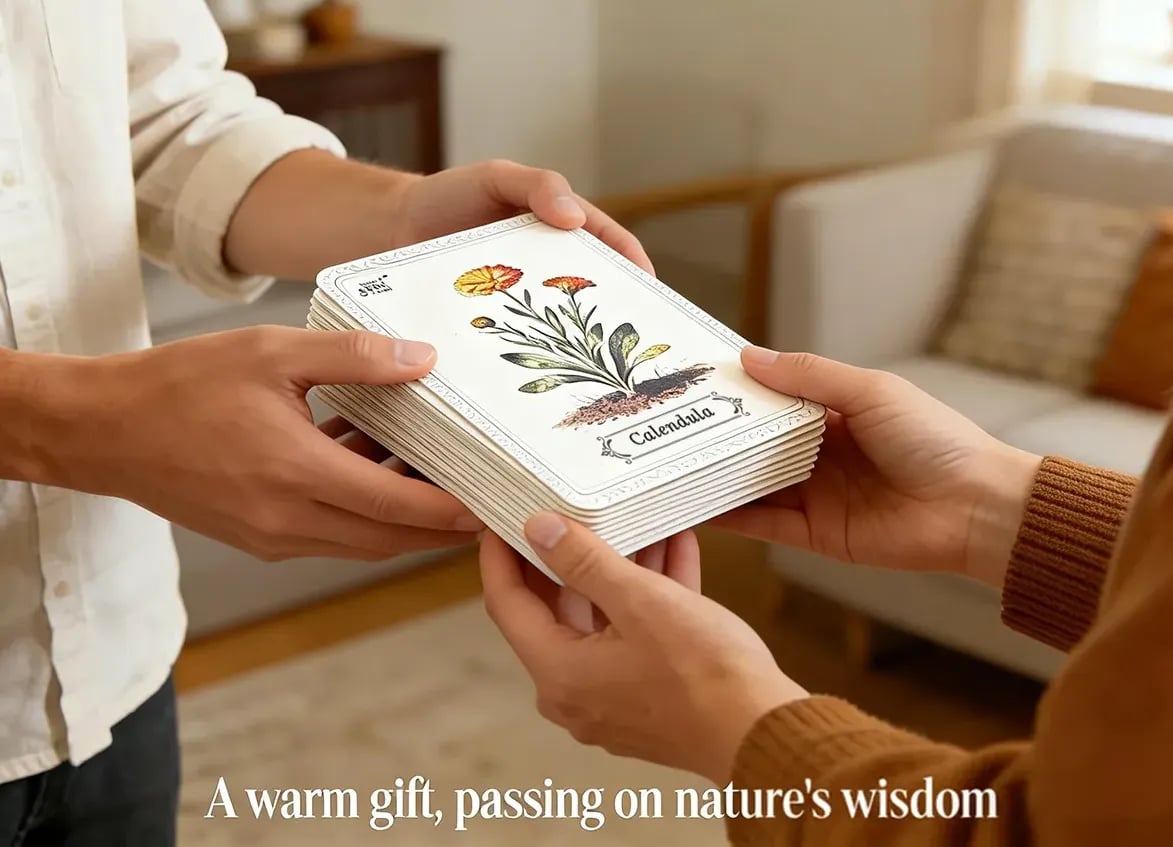
180-Day Money-Back GuaranteeShop with confidence
Order TrackingFollow your delivery
Worldwide ShippingOptions shown at checkout
PACKING & SHIPPING
Delivery routes and timing depend on your destination. Check checkout for available shipping options and rates.

CALENDULA
Plantable seed paper gets a second life as bright Calendula blooms, bringing a little more green into your everyday.

BASIL
Keep a living pot of Basil by your workspace for a calmer, greener corner to return to throughout the day.

CORNFLOWER
Set aside a moment each day to plant a card and welcome a different variety into your growing routine.

ZINNIA
Check in as new leaves unfold and Zinnia buds open. Small changes make a lovely daily companion.

ECHINACEA
Watch an Echinacea bud open into vivid petals and a striking center. Each stage gives you something new to notice.

STRAWBERRY
Tend a Strawberry plant and enjoy seeing your care turn into something you can pick and savor.
Seed Calendar Sets
Every calendar includes 12 seed varieties. Choose a set for a planting routine that fits your home, sharing plans, and growing pace.
24 plantable cards for a longer growing ritual—or a thoughtful gift for someone who loves to grow.
36 cards give you more planting moments to spread across the year.
48 cards for a longer growing tradition at home, with calendars to share with family.
12 varieties in every calendar · Plant one card at a time · Choose a set for your growing plans
SEED CALENDAR FAQ
A few helpful details about planting, the seed varieties, and choosing your set.
It’s a calendar made with seed paper. Each of its 12 cards contains a different plant variety, so you can plant the cards one at a time as the year goes on.
Each calendar includes 12 varieties: calendula, cornflower, zinnia, echinacea, strawberry, tomato, cucumber, pumpkin, basil, parsley, mint, and oregano.
Tear the card into small pieces and briefly soak them. Place the damp paper under a thin layer of potting soil, water gently, and keep the soil lightly moist in a bright spot.
No special experience is needed. A pot, potting soil, water, and a bright place to grow are a good starting point. Follow the planting guidance for each variety.
You can plant the cards in pots indoors. Choose a bright location; fruit-bearing varieties may need more room and light as they grow. Results depend on the variety and growing conditions.
No. Each card is a separate planting. Plant one when you’re ready, and keep the remaining cards dry until you want to use them.
Sprouting time varies by plant variety and growing conditions. Keep the soil lightly moist, provide suitable light, and give each variety time to grow.
Yes. The cards are planted indoors, so outdoor weather won’t prevent you from growing them. Keep the pot in a bright indoor spot and water as directed to give the seeds the light and moisture they need.
Each calendar includes the same 12 seed varieties. A multi-calendar set gives you more cards to plant over time, with more growing moments and longer-lasting planting enjoyment.